

Introduction to DTF Transfers
We're diving into the world of custom designs, and it all starts with DTF transfers. You can create vibrant, durable designs on various materials with this method. Want to learn more? Check out DTF Transfers and their applications.
So, how does it work? You print your design onto a special film, then transfer it to the material. This process yields high-quality images and a long-lasting finish.
What are UV DTF Transfers?
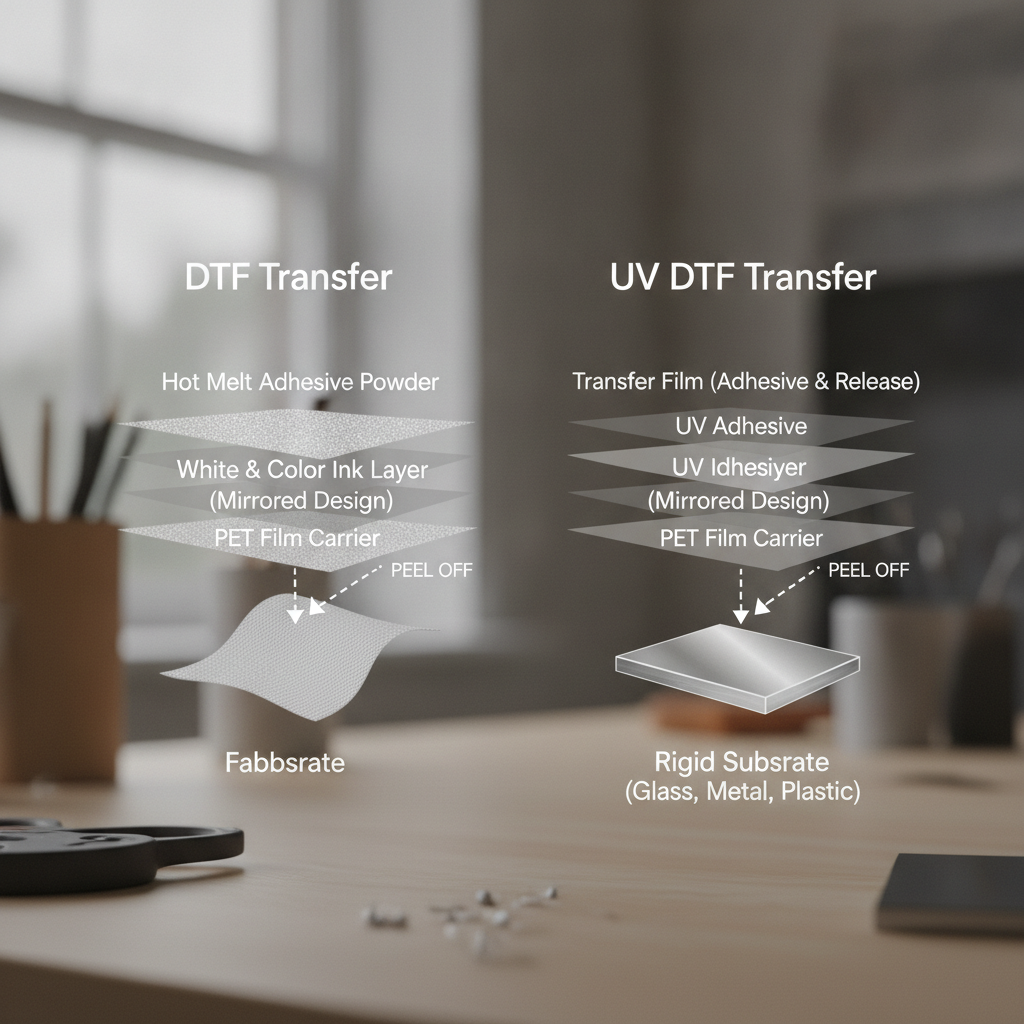
UV DTF transfers use ultraviolet light to cure the ink. This creates a durable, water-resistant finish - perfect for outdoor or high-traffic applications. Need custom UV DTF Transfers? Explore your options.
UV DTF transfers have advantages over traditional DTF transfers: increased durability and resistance to fading. However, they require special equipment and ink, which can increase the cost.
Comparison of DTF and UV DTF Transfers
The curing process is the main difference between DTF and UV DTF transfers. DTF uses heat, while UV DTF uses ultraviolet light. This affects the final product's durability and water resistance.
Cost is another key difference. UV DTF transfers require specialized equipment and ink, increasing the cost. But the added durability and water resistance may be worth it for certain applications.
| Feature | DTF Transfers | UV DTF Transfers |
|---|---|---|
| Curing Process | Heat | Ultraviolet Light |
| Durability | Good | Excellent |
| Water Resistance | Fair | Excellent |
| Cost | Lower | Higher |
Benefits and Drawbacks of Each Type of Transfer
DTF transfers offer vibrant colors, ease of use, and a lower cost. But they may not be as durable as UV DTF transfers and may fade over time.
UV DTF transfers offer increased durability and water resistance, making them ideal for outdoor or high-traffic applications. However, they require specialized equipment and ink, increasing the cost.
Tutorial: Creating Custom DTF and UV DTF Transfers
Use DTF Nova's online design tool to create custom DTF and UV DTF transfers. Upload your design, choose the transfer type, and select the material, size, shape, color, and finish.
For DTF transfers, choose from materials like cotton, polyester, and blends. For UV DTF transfers, select the UV ink option and choose the material, size, shape, color, and finish.
Optimizing Designs for DTF and UV DTF Transfers
Consider the material, design size and shape, and colors when optimizing for DTF and UV DTF transfers.
For DTF transfers, use vibrant, bold colors. Avoid too much detail, as it may not transfer well.
For UV DTF transfers, use lightfast colors that won't fade. Consider the material's texture and finish, as it may affect the final appearance.
Real-World Applications of DTF and UV DTF Transfers
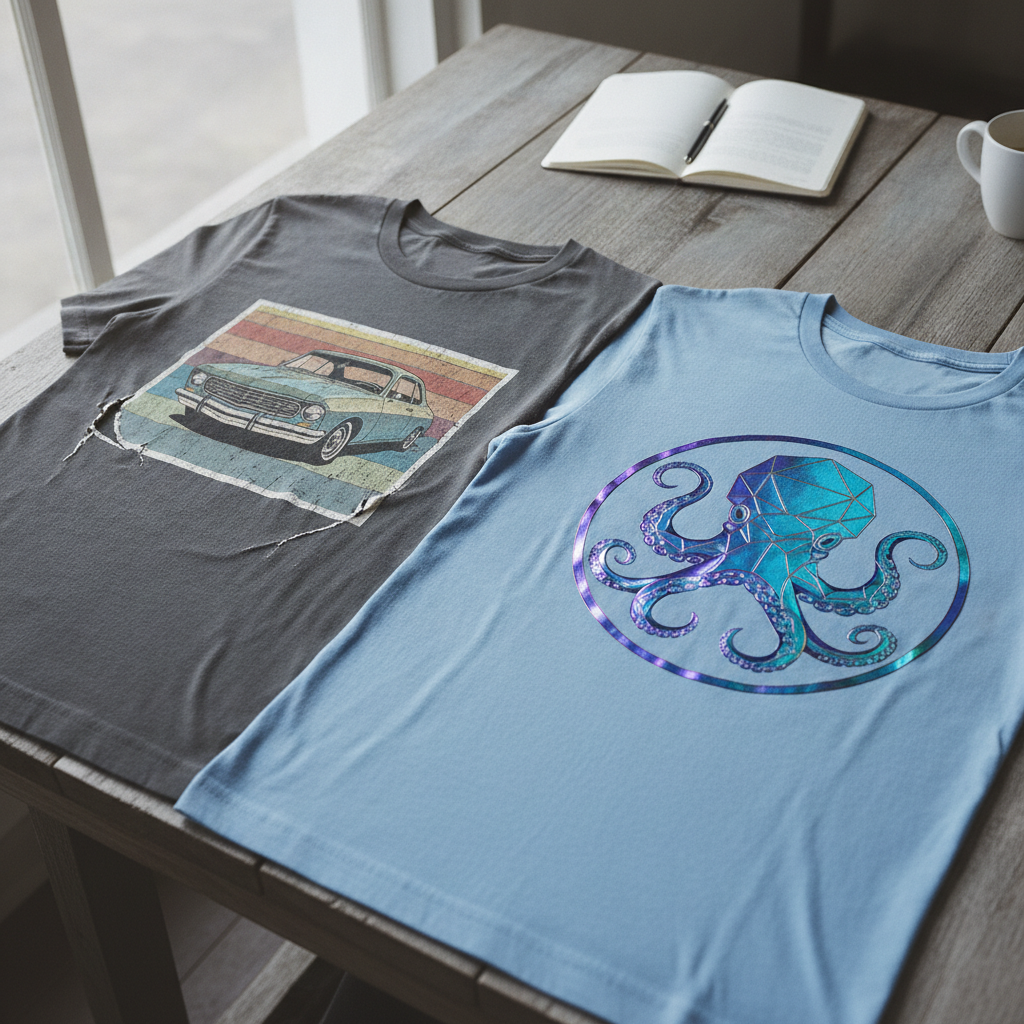
DTF and UV DTF transfers have many applications:
- Custom apparel, like t-shirts, hoodies, and hats
- Outdoor signage, like banners, flags, and decals
- Vehicle wraps, including cars, trucks, and buses
- Product labeling, including packaging and branding
Statistics on the Growth of the DTF Transfer Market
The DTF transfer market is growing fast - 10-15% annually. This growth is driven by the increasing demand for custom apparel, outdoor signage, and vehicle wraps.
75% of businesses use DTF transfers for branding and marketing. This number is expected to rise as more businesses discover the benefits of DTF transfers.
Case Study: Using DTF Transfers for Custom Apparel
A clothing company used DTF transfers for custom t-shirts. They chose DTF transfers for their vibrant colors and ease of use. The result? High-quality, durable, and comfortable t-shirts.
Case Study: Using UV DTF Transfers for Outdoor Signage
A marketing firm used UV DTF transfers for outdoor signage. They chose UV DTF transfers for their increased durability and water resistance. The result? High-quality, custom signs that withstood the elements.
Case Study: Using DTF Transfers for Vehicle Wraps
A car dealership used DTF transfers for custom vehicle wraps. They chose DTF transfers for their ease of use and cost-effectiveness. The result? High-quality, custom vehicle wraps that were durable and eye-catching.
Case Study: Using UV DTF Transfers for Product Labeling
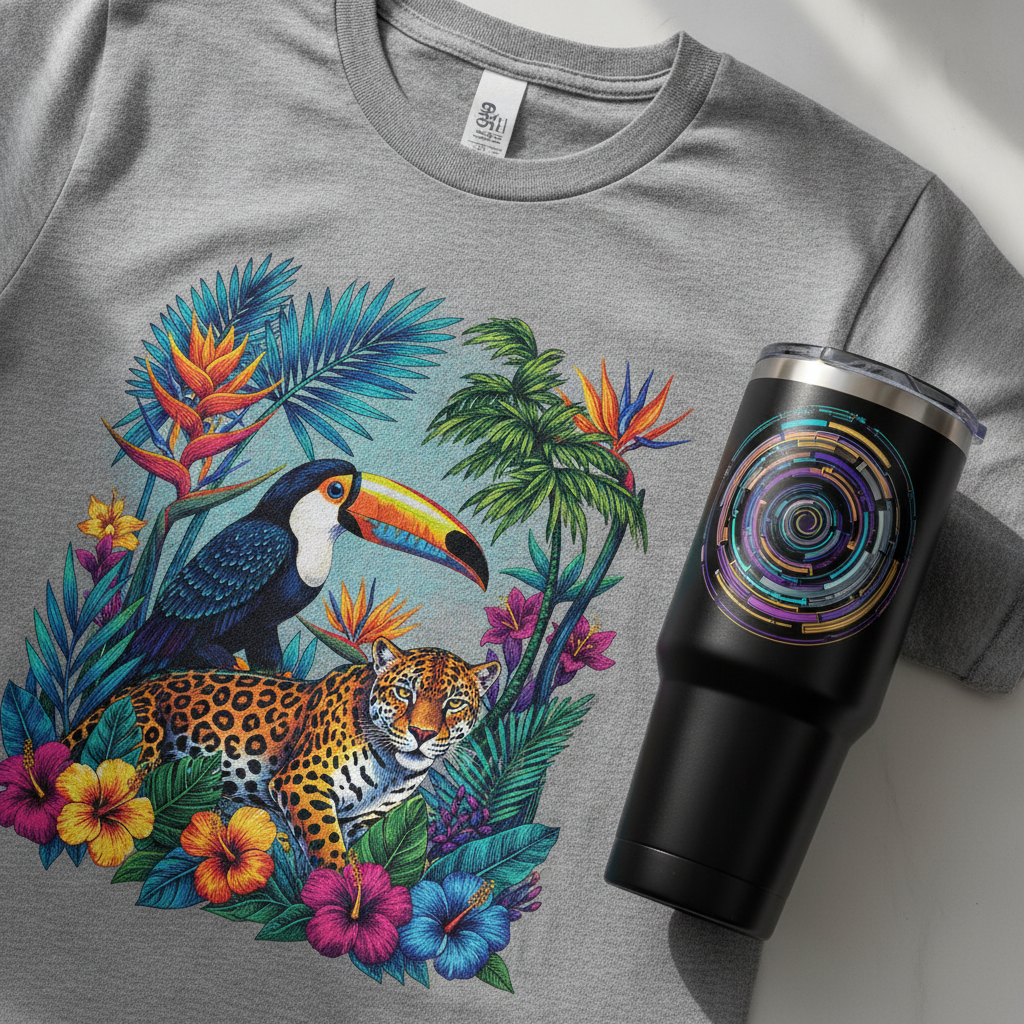
A manufacturing company used UV DTF transfers for custom product labels. They chose UV DTF transfers for their increased durability and water resistance. The result? High-quality, custom product labels that withstood the elements.
Frequently Asked Questions
Q: What's the difference between DTF and UV DTF transfers?
A: The main difference is the curing process. DTF transfers use heat, while UV DTF transfers use ultraviolet light.
Q: Which type of transfer is more durable?
A: UV DTF transfers are more durable, as they're more resistant to fading and water damage.
Q: Can I use DTF transfers for outdoor applications?
A: While DTF transfers can be used outdoors, they may not be as durable as UV DTF transfers. Consider UV DTF transfers for added durability.
Q: How do I choose the right type of transfer for my project?
A: Consider the material, design size and shape, and the durability and water resistance you need, as well as the cost.
Q: What are the most common materials used for DTF and UV DTF transfers?
A: The most common materials include cotton, polyester, and blends.
Q: Can I use DTF transfers for vehicle wraps?
A: Yes, but they may not be as durable as UV DTF transfers. Consider UV DTF transfers for added durability.
Q: What's the average cost of DTF and UV DTF transfers?
A: The cost varies depending on the size, material, and complexity of the design. UV DTF transfers are generally more expensive due to the specialized equipment and ink required.
Q: Can I use DTF transfers for textile printing?
A: Yes, but the type of fabric and weave can affect the print quality.
For more information on the printing industry, visit the Printing Industry Association of America website or check out Specialty Imaging Magazine for the latest news and trends.
Conclusion
In short, DTF and UV DTF transfers are both popular methods for creating custom designs. While DTF transfers offer vibrant colors and ease of use, UV DTF transfers offer increased durability and water resistance. Choose the right type of transfer for your project by considering the material, design size and shape, and the durability and water resistance you need.
Future of DTF and UV DTF Transfers
The future of DTF and UV DTF transfers looks promising, with new technologies and innovations emerging. One exciting development is the use of sustainable materials and eco-friendly inks, reducing the environmental impact of printing.
Digital printing is another area of growth, allowing for high-quality, photo-realistic images to be printed directly onto materials. This technology is useful for creating complex designs and patterns, and can be used for various applications, including textile printing, signage, and packaging.
Tips for Working with DTF and UV DTF Transfers
When working with DTF and UV DTF transfers, consider the material, design size and shape, and the durability and water resistance you need, as well as the cost. Choose the right type of transfer for your project, and follow the instructions carefully to ensure a high-quality print.
Common Mistakes to Avoid When Using DTF and UV DTF Transfers
Avoid common mistakes like choosing the wrong material, using too much detail, and not following instructions. Also, avoid using DTF transfers for outdoor applications where they may be exposed to the elements.