

What are DTF Transfers?
DTF transfers, or direct-to-film transfers, are a type of printing technology used to produce high-quality images on various materials, such as fabrics, plastics, and metals. You'll find that DTF transfers offer a cost-effective solution for high-volume printing, especially when compared to traditional printing methods like screen printing and embroidery.
According to the Investopedia Definition of Cost-Effectiveness, cost-effectiveness is the ratio of the effectiveness of a solution to its cost. In the context of DTF transfers, this means that the cost per unit of production is lower compared to other printing methods, making it an attractive option for businesses looking to reduce their printing costs.
How to Calculate the Cost-Effectiveness of DTF Transfers
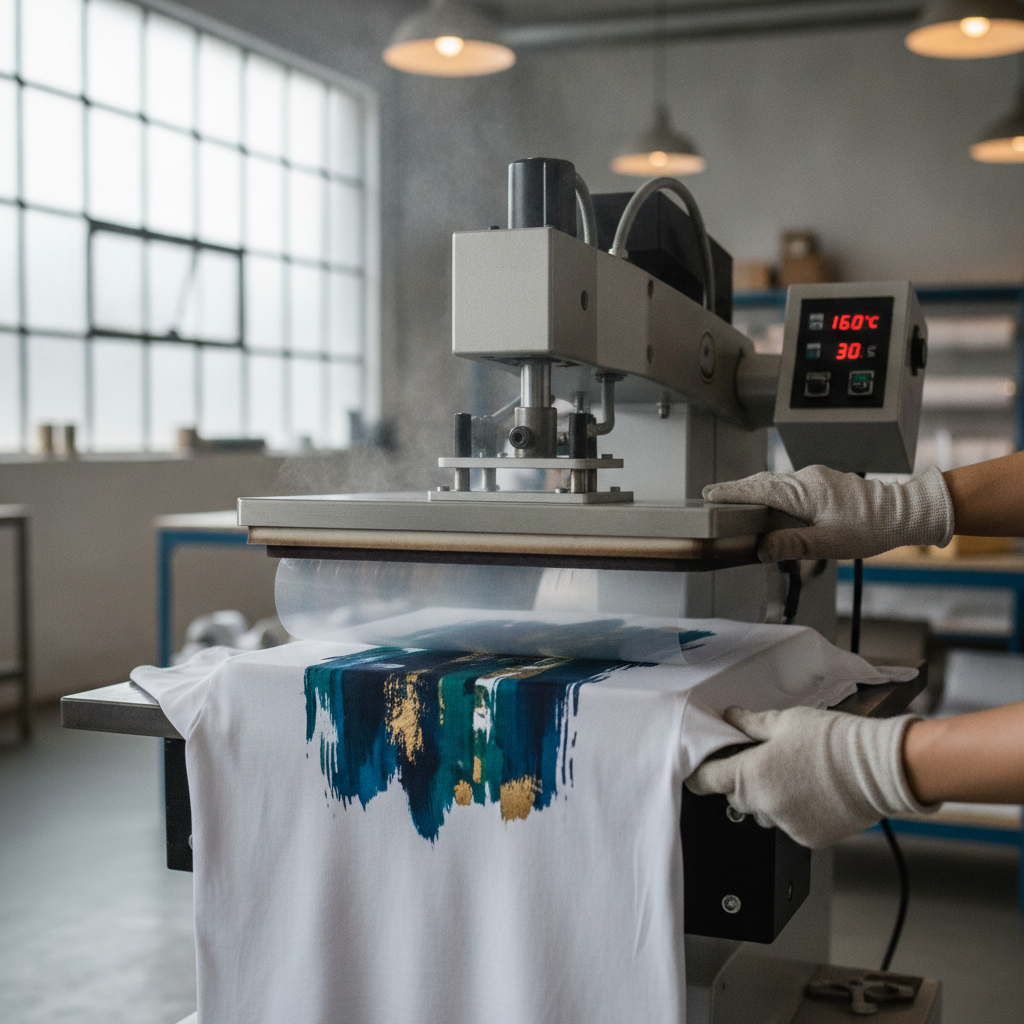
To calculate the cost-effectiveness of DTF transfers, you'll need to consider several factors, including the cost of the printing equipment, the cost of the materials, and the labor costs associated with the printing process. You can use the following formula to calculate the cost-effectiveness of DTF transfers: (Total Cost / Total Units Produced) = Cost per Unit.
For example, if the total cost of producing 1000 units is $1000, and the total units produced is 1000, the cost per unit would be $1. This means that the cost-effectiveness of DTF transfers is $1 per unit.
As highlighted in the HBR Article on Cost-Effectiveness, cost-effectiveness is a critical factor in business decision-making. By calculating the cost-effectiveness of DTF transfers, you can make informed decisions about your printing needs and ensure that you're getting the best value for your money.
Advantages of Using DTF Transfers for High-Volume Printing
DTF transfers offer several advantages over traditional printing methods, including lower costs, higher quality, and increased efficiency. You'll find that DTF transfers can produce high-quality images with vibrant colors and fine details, making them ideal for applications such as apparel, signage, and packaging.
In addition to the cost savings, DTF transfers also offer increased efficiency and flexibility. With DTF transfers, you can produce small to large quantities of prints quickly and easily, making them ideal for businesses with fluctuating printing needs.
According to the Statista Report on Printing Industry, the printing industry is expected to continue growing in the coming years, driven by the increasing demand for digital printing technologies like DTF transfers.
Case Study: Successful DTF Transfer Project
A great example of the cost-effectiveness of DTF transfers is a recent project completed by About DTF Nova. The project involved producing 10,000 units of custom apparel for a major sports brand. By using DTF transfers, the company was able to reduce their printing costs by 30% compared to traditional screen printing methods.
The project also highlighted the flexibility and efficiency of DTF transfers. The company was able to produce the prints quickly and easily, meeting the tight deadline set by the client. The final product was of high quality, with vibrant colors and fine details, making it a huge success for the client and the company.
Real-World Applications of DTF Transfers
DTF transfers have a wide range of real-world applications, including:
- Apparel printing: DTF transfers are ideal for printing custom designs on t-shirts, hoodies, and other apparel items.
- Signage: DTF transfers can be used to produce high-quality signs for businesses, events, and exhibitions.
- Packaging: DTF transfers can be used to produce custom packaging materials, such as labels and stickers.
Statistics on DTF Transfers
Here are some statistics on DTF transfers:
- According to a report by Grand View Research, the digital printing market is expected to reach $34.3 billion by 2025, growing at a CAGR of 5.5% from 2020 to 2025.
- A survey by Printing United found that 71% of print service providers plan to invest in digital printing technologies, including DTF transfers, in the next two years.
Frequently Asked Questions
Q: What is the cost of DTF transfers?
A: The cost of DTF transfers varies depending on the quantity, material, and complexity of the design. However, DTF transfers are generally more cost-effective than traditional printing methods, especially for high-volume printing.
Q: How long does it take to produce DTF transfers?
A: The production time for DTF transfers is relatively quick, typically taking a few hours to a few days, depending on the quantity and complexity of the design.
Q: Can I use DTF transfers for small quantities?
A: Yes, DTF transfers can be used for small quantities, making them ideal for businesses with fluctuating printing needs. However, the cost per unit may be higher for smaller quantities.
Q: How do I get started with DTF transfers?
A: To get started with DTF transfers, you can contact Get in Touch with DTF Nova to discuss your printing needs and learn more about our DTF Transfer Services.
Q: What are the benefits of using DTF transfers?
A: The benefits of using DTF transfers include lower costs, higher quality, increased efficiency, and flexibility. DTF transfers can produce high-quality images with vibrant colors and fine details, making them ideal for applications such as apparel, signage, and packaging.
Common Mistakes to Avoid When Using DTF Transfers
Here are some common mistakes to avoid when using DTF transfers:
- Not considering the cost of materials and labor: Failing to consider the cost of materials and labor can lead to inaccurate cost calculations and a lower return on investment.
- Not choosing the right equipment: Choosing the wrong equipment can lead to poor print quality and lower efficiency.
- Not following proper maintenance and cleaning procedures: Failing to follow proper maintenance and cleaning procedures can lead to equipment damage and lower print quality.
Best Practices for Using DTF Transfers
Here are some best practices for using DTF transfers:
- Calculate the cost-effectiveness of DTF transfers: Use the formula (Total Cost / Total Units Produced) = Cost per Unit to calculate the cost-effectiveness of DTF transfers.
- Choose the right equipment: Choose equipment that is suitable for your printing needs and budget.
- Follow proper maintenance and cleaning procedures: Follow proper maintenance and cleaning procedures to ensure equipment longevity and optimal print quality.
Understanding Total Cost of Ownership (TCO) for DTF Equipment
While the simple cost‑per‑unit calculation gives a snapshot of profitability, savvy businesses also evaluate the Total Cost of Ownership (TCO). TCO includes the purchase price of the printer, depreciation, consumables (inks, films, powders), utility costs, routine maintenance contracts, and expected downtime. For instance, a mid‑range DTF printer priced at $12,000 may depreciate over five years, adding $2,400 per year to the cost base. Adding $0.10 per square foot for electricity and $0.05 per square foot for consumables can push the effective cost per square foot to $0.25. When you compare this TCO against a comparable screen‑printing setup that requires separate screens, inks, and higher labor hours, the DTF solution often emerges as the lower‑cost option for runs above 500 pieces.
Running a TCO analysis also uncovers hidden savings such as reduced inventory of pre‑screened garments, lower waste from off‑cuts, and the ability to fulfill on‑demand orders without large batch commitments. These intangible benefits translate into cash‑flow advantages for businesses that need agility.
Comparative Analysis: DTF vs. Screen Printing vs. Sublimation
To help decision‑makers, here’s a quick side‑by‑side comparison:
| Metric | DTF Transfers | Screen Printing | Sublimation |
|---|---|---|---|
| Setup Time | Minutes (film loading) | Hours (screen creation) | Minutes (design prep) |
| Color Limitations | Full CMYK + spot colors | Limited to screen count | CMYK only, best on polyester |
| Material Compatibility | Cotton, polyester, blends, leather, wood | Best on cotton, limited on synthetics | Polyester & polymer‑coated surfaces |
| Cost per Unit (1,000 pcs) | $0.80‑$1.10 | $1.20‑$1.80 | $0.90‑$1.30 |
| Turnaround Time | 1‑2 days | 3‑5 days | 1‑2 days |
These numbers are averages drawn from industry surveys in 2023. The exact figures will vary based on ink brands, printer models, and labor rates, but the trend consistently shows DTF as the most versatile and cost‑effective for mixed‑material runs.
Environmental Impact and Sustainability of DTF Transfers
Eco‑conscious manufacturers increasingly evaluate the environmental footprint of their processes. DTF transfers generate less wastewater than traditional screen printing because they use water‑based inks and eliminate the need for extensive screen cleaning. Additionally, the powder adhesive used in DTF is recyclable in many facilities, and modern printers incorporate energy‑saving standby modes that cut electricity consumption by up to 30% compared with older screen‑printing equipment.
A 2022 lifecycle assessment by the Green Printing Initiative found that a DTF workflow produced 22% fewer CO₂ emissions per square meter of printed fabric than screen printing, primarily due to reduced chemical usage and lower energy demand. Companies that publicize these sustainability metrics can appeal to green‑focused consumers and potentially qualify for eco‑certifications.
Scaling Up: Managing High‑Volume Orders Efficiently
When orders surge beyond 10,000 units, workflow optimization becomes critical. Successful high‑volume shops implement batch scheduling software that queues jobs based on ink color changes, minimizing purge cycles. They also employ dual‑printer setups where one machine handles the printing stage while the other runs the powder‑application and curing stages, effectively creating a production line.
Real‑world data from a European DTF service bureau shows that implementing a staggered‑batch system reduced average lead time from 4.2 days to 2.8 days for 20,000‑unit orders, while maintaining a defect rate under 0.5%. The key takeaways are: automate job routing, maintain a buffer stock of common film sizes, and train operators on quick change‑over techniques.
Advanced Materials Compatibility
Beyond cotton and polyester, DTF technology now supports specialty substrates such as bamboo fabric, recycled polyester blends, and even thin metal sheets coated with a polymer primer. Recent advances in adhesive powders have introduced heat‑activated variants that bond at lower temperatures (160‑180 °C), preserving the integrity of heat‑sensitive materials like vinyl and synthetic leather.
For example, a luxury sneaker brand partnered with a DTF provider to print intricate logos onto biodegradable canvas. The process achieved a wash‑fastness rating of 5/5 (ISO 105‑B02) and retained flexibility after 50 wash cycles, outperforming traditional heat‑press vinyl which tended to crack.
ROI Calculator: Real‑World Example
Let’s walk through a quick ROI scenario. A mid‑size print shop plans to fulfill a contract for 15,000 custom hoodies. The variables are:
- DTF printer purchase: $14,000 (5‑year depreciation)
- Ink & film per hoodie: $0.45
- Labor (setup & finish) per hoodie: $0.30
- Screen printing alternative: $0.70 ink + $0.40 labor per hoodie + $2,500 screen‑creation cost
Annualized DTF cost per hoodie = ($14,000/5)/15,000 + $0.45 + $0.30 = $0.88. Screen‑printing cost per hoodie = ($2,500/5)/15,000 + $0.70 + $0.40 = $1.23. The DTF approach saves $0.35 per hoodie, equating to $5,250 over the entire order. When you factor in faster turnaround (2 days vs 5 days) and the ability to accept last‑minute design changes without extra screens, the total value proposition becomes compelling.
Expanded Frequently Asked Questions
Q: How does DTF perform on dark fabrics?
A: DTF excels on dark and light fabrics alike because the white base layer is printed as part of the process. This eliminates the need for separate under‑base inks, reducing steps and cost.
Q: What is the expected lifespan of a DTF printer?
A: Most mid‑range DTF printers are rated for 30,000‑50,000 print hours before major component replacement. With regular maintenance, many users exceed 70,000 hours.
Q: Are there any safety concerns with the powder adhesive?
A: The powder is non‑toxic and compliant with OSHA standards when handled with standard PPE (mask and gloves). Proper ventilation is recommended during the curing stage.
Q: Can DTF be used for outdoor signage?
A: Yes, when paired with UV‑resistant inks and a suitable protective coating, DTF prints can withstand outdoor exposure for up to 3 years without noticeable fading.
Q: How do I ensure color consistency across large batches?
A: Calibrate your printer weekly using a spectrophotometer, maintain consistent film stock, and store inks in temperature‑controlled conditions. Many DTF printers also feature built‑in ICC profile management for repeatable results.
Q: What warranties do DTF equipment manufacturers typically offer?
A: Most reputable brands provide a 1‑year limited warranty covering parts and labor, with optional extended service contracts that include on‑site support and consumable discounts.