

Dtf UV print Virginia: Practical apparel & gang-sheet guidance
Quick Answer: dtf uv print virginia combines direct-to-film transfers and UV printing to deliver fast, durable custom apparel and efficient gang-sheet production for small runs. At Dtf Nova Print we use precise gang-sheet layouts, defined cure and press parameters, and a mandatory QC pass to cut waste and raise throughput.
Why choose Dtf Nova Print for Dtf-UV print Virginia?
We run DTF and UV in the same facility because each method fixes a different problem. DTF gives a soft hand and vibrant color for tees and hoodies. UV cures instantly and stands up to heavy wear on rigid and specialty pieces.
We pair DTF for apparel and UV for rigid or specialty pieces so you get predictable costs and consistent quality.
See how we bundle services on our services page and how we build gang sheets on our blog.
Dtf uv print Virginia: Which workflow should you pick?
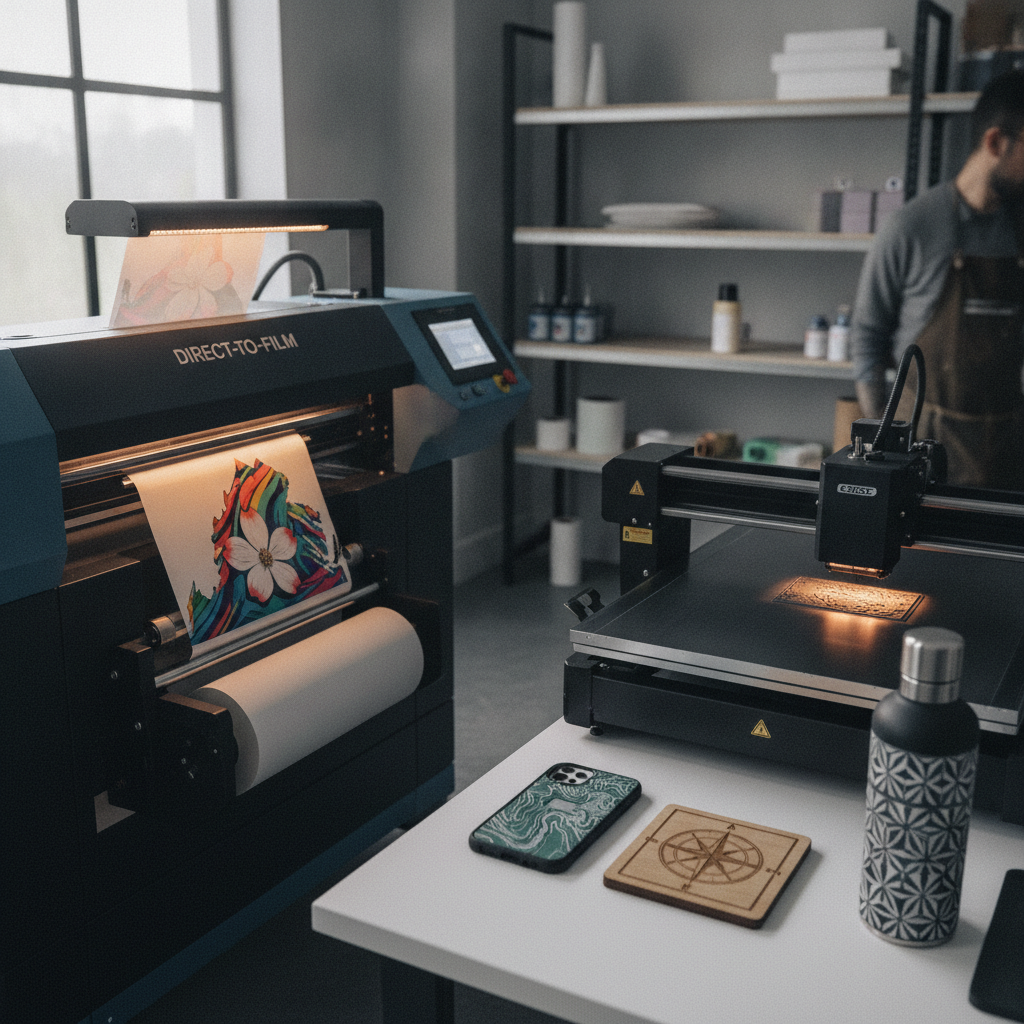
Pick DTF when you want soft-feel, high-color prints on fabric and you’re doing gang-sheet volume. Pick UV when you need direct printing on hard surfaces or a raised, tactile finish. We typically run DTF for bulk shirts and hoodies, then switch to UV for labels, trims, and specialty items.
Short decision rule: For tees and hoodies with a soft hand, use DTF. For direct printing on hard substrates, use UV.
A concrete, numbered gang-sheet process we use
Below is the exact job setup we follow. Do these checks and you’ll cut rework.
- Design placement: Group artwork by garment color and print orientation. Keep one fabric-color family per gang sheet.
- Color separation: Convert to CMYK plus a white underbase for DTF; lock white at 100% opacity on opaque fabrics.
- Film printing: Print DTF film at 720 DPI for standard runs; jump to 1440 DPI only for fine text or photographic detail.
- Powder application: Apply adhesive powder at 16–18 g/m². Use a calibrated sieve and aim for even coverage.
- Heat-press transfer: Start at 160–165°C for 12–15 seconds. Use medium pressure for poly blends and heavier pressure for thick cottons—then test and adjust.
- Post-press cure (DTF): Peel hot for a softer hand, cold peel for more opacity. We tag each completed gang batch with a QC label after the peel check.
- UV finishing (if required): Cure with a 395–405 nm LED line. Make an initial pass of 10–20 seconds per side at the supplier’s lamp intensity, and add a second pass if the ink stays tacky.
These are our shop starting points — always run a two-piece test on new fabrics or ink batches.
Common trade-offs and mistakes (and how we fix them)
We see three repeat problems on the floor: over-gang-sheeting mixed fabrics, wrong white underbase settings, and skipping the post-press QC. Each one drives scrap and customer returns.
- Over-gang-sheeting: Mixing too many garment colors on a single gang raises cycle time and errors. We limit gangs to one fabric shade to save press time.
- Underbase mistakes: Dropping white to 80% to "save ink" kills opacity on dark garments. For black or deep fabrics we use white at 100%.
- Skipping QC: Not checking the first few garments lets defects propagate. We inspect and log the first five pieces on every new job.
Daily fixes: restrict gang sheets by fabric family, enforce 100% white underbase for darks, and require a documented first-piece check.
DTF vs UV: A compact comparison
| Attribute | DTF | UV |
|---|---|---|
| Best for | Soft-hand apparel, short runs | Rigid substrates, tactile finishes |
| Durability | High with correct cure/press | Very high; immediate cure |
| Throughput | Good for gang sheets | Fast for single items |
Use the table above to pick the workflow that matches your run size and final substrate.
How do we control ink safety and VOCs?
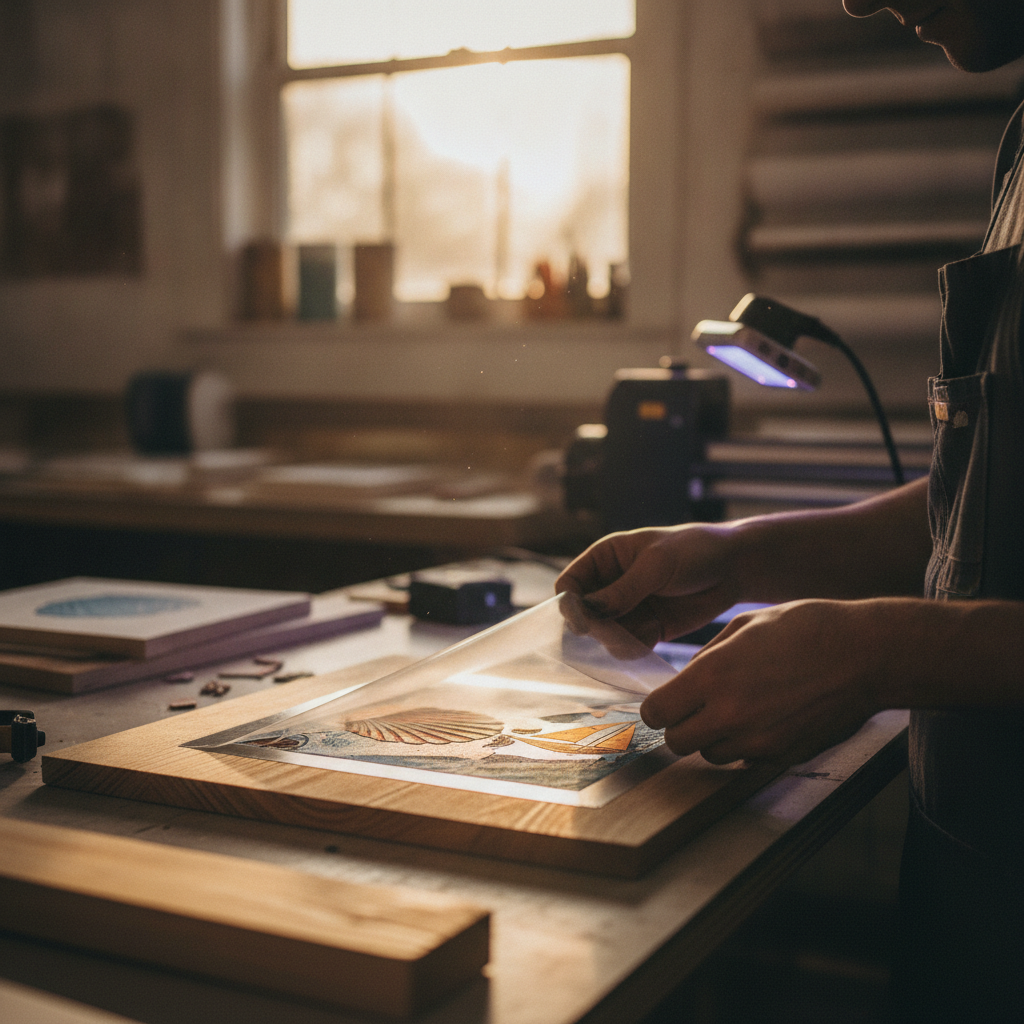
We follow manufacturer Safety Data Sheets and local guidelines. Proper UV curing cuts volatile residues; for a technical overview, see the Wikipedia entry on UV curing. Ultraviolet curing overview.
Our practice: keep SDS for every ink batch on file and ventilate curing stations to the supplier’s recommendations.
What lead times and minimums should you expect in Virginia?
We quote lead times based on complexity and gang density. Small-batch DTF jobs typically ship in 3–5 business days. UV specialty work varies with substrate prep and post-processing. For exact turnaround, contact Dtf Nova Print.
Do you offer custom setups or just production runs?
We do both. We build gang sheets for production and configure one-off UV setups for prototyping. Examples and order instructions are on our about page.
Frequently Asked Questions
How long does a DTF transfer last on a shirt?
With correct pressing and care, DTF transfers last hundreds of wash cycles. We advise washing inside-out on cold and tumble-drying low.
Can UV inks be used on fabric?
UV inks can print on some textiles, but adhesion and flexibility vary. For stretch fabrics, DTF remains the safer choice.
What information do you need to price a gang sheet?
Send artwork, garment colors and fabric type, run size, and desired placement. We’ll optimize the gang layout and provide a firm quote.
Are you able to match brand PMS colors?
We match colors as closely as the media allows and provide test swatches for approval before full production.