

When you release a Seasonal beer, physical packaging and taproom merchandise need to tell the same story. Pairing UV Stickers brewery Virginia operations rely on with direct-to-film (DTF) Apparel locks in your visual identity on aluminum, glass, and fabric. That shared design language carries through from the cold box to the street.
Why Pair UV Stickers Brewery Virginia Labels with DTF Apparel?
Most operations split packaging and merch into different budget buckets. That split fragments your look. When a customer picks up a 4-pack of your Seasonal IPA and sees your bartender wearing a hoodie with the same artwork, the connection clicks instantly. Seasonal batches don't stay on tap forever. If a cheap label turns soggy in an ice tub or your graphic fades after two washes, you burn customer goodwill before the batch sells out.
Durability has to line up across both formats.
UV-cured inks withstand moisture, temperature shifts, and taproom washdowns. Meanwhile, DTF transfers hold sharp color on textiles far better than traditional water-based screen prints on short runs. Both formats keep your graphics intact where it counts: the kitchen counter, the bar top, and the laundry cycle.
Consistency between can Labels and Apparel creates a tangible brand asset that outlasts the Seasonal release window.
The Durability Advantage of UV-Cured Stickers
Paper and standard thermal Labels struggle around beer. Walk-in coolers Run damp. Beer garden tables bake under direct sun. UV-cured Stickers solve that problem at the chemical level. Curing inks instantly with ultraviolet light creates a hardened, plastic-like surface that keeps graphics crisp and stops adhesive breakdown. For craft brewers in Virginia facing 90-degree summer humidity right after spring chills, this build quality keeps cans from shedding their Labels after three days in cold storage.
How to Design a Cohesive Visual Identity for Limited-Run Labels
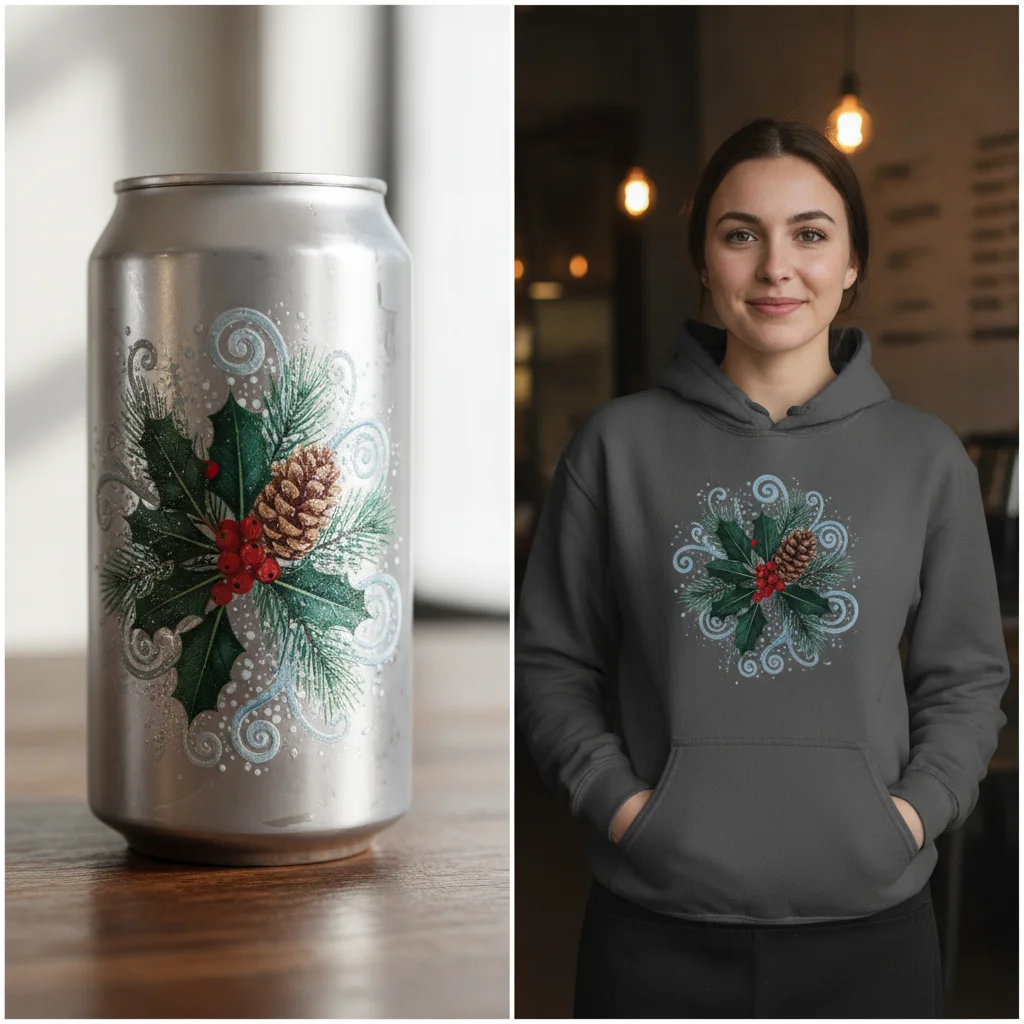
Exporting one generic art file across multiple print vendors never works. Color palettes, line weights, and typography must sync across paper, vinyl, and cotton.
Start with a single master vector file. Split it into a production layer for the sticker and a separated file for the DTF transfer. On Apparel, decide whether the shirt color shows through negative space or if you need a solid white underbase for full opacity. On cans, decide between a matte finish for an artisanal touch or high gloss to punch up contrasting linework. Always keep vital typography well inside the die-cut border.
Building both assets from a single master vector keeps colors and proportions consistent across different production substrates.
Step-by-Step Design Workflow for Multi-Format Assets
- Master Vector Setup: Build your core artwork in vector format using AI or SVG with closed paths.
- DTF Prep: Export artwork at 300 DPI minimum. Pull back your white underbase layer slightly from the artwork boundaries to avoid unwanted white outlines on dark garments.
- Sticker Sizing: Add a 3mm bleed around the boundary and keep text at least 5mm inside the trim line. Select a contour cut that complements the container shape.
- Color Proofing: Print test proofs for both mediums and check them side by side. UV inks tend to show higher saturation than textile film, so adjust your sticker file to match the garment proof.
- Final Sign-off: Check both physical samples under taproom lighting before approving full runs.
What Are the Placement Tips for Maximum Brand Impact?
Placement controls what drinkers see first. On a 16-ounce can, the UV sticker needs to command the primary display panel without wrapping awkwardly into seam gaps. If you use a neck label, keep it clean so it doesn't fight the main face.
Apparel calls for a different balance. Taproom staff need bold, easily spotted branding—a centered chest piece turns staff shirts into walking signposts. For merchandise sold directly to visitors, a subtle left-chest crest paired with a back print feels wearable outside the taproom. Keep transfers clear of the armpits and hemline where friction causes premature peeling.
Strategic placement ensures the brand logo is visible during consumption, not just during production.
How Does DTF Transfer Wash Durability Compare to Other Methods?
Screen printing works well for basic single-color runs across 500 shirts, but short-Run seasonals demand full color without heavy screen fees. DTF fills that gap. You get photographic detail on 100% cotton, poly, and ring-spun blends without massive setup charges.
Garment care directly controls lifespan. Tell staff and customers to turn garments inside out, wash on cold, and skip high-heat dryer cycles. Excess heat softens the transfer adhesive. Simple air-drying keeps designs sharp past 50 washes.
Washing cold and line drying keeps the adhesive intact across dozens of wash cycles.
| Factor | UV Sticker (Can/Bottle) | DTF Apparel (Shirts/Hoodies) |
|---|---|---|
| Primary Threat | Moisture, Heat, UV Light | Friction, Washing Machine Agitation, Heat |
| Material Type | Polypropylene with UV Ink | Polyurethane Film with DTF Ink |
| Maintenance | None (End-User) | Cold Wash, Inside Out, Air Dry |
| Longevity | Months to Years (Depending on Exposure) | 50+ Washes (With Proper Care) |
What Is the Realistic Production Timeline for a Seasonal Drop?
Beer releases Run on strict schedules. Industry metrics tracking U.S. Beer market trends and Seasonal sales data show peak demand hits during tightly defined holiday and weather windows. You need stock ready before the rush begins, not two weeks into it.
Here is how a four-week schedule breaks down:
- Week 1: Finalize files and sign off on physical proofs. Never rush this phase.
- Week 2: Run print production. UV sticker turnaround moves fast; heat-pressing Apparel takes hands-on shop time.
- Week 3: Run quality checks. Inspect Stickers for border shifts and check shirts for alignment errors.
- Week 4: Stock the cooler and distribute gear to staff before opening the doors on launch day.
Buffer time is essential; a one-week delay in design approval can push your launch into the low-sales period.
How to Handle TTB Labeling Guidelines with Custom Designs
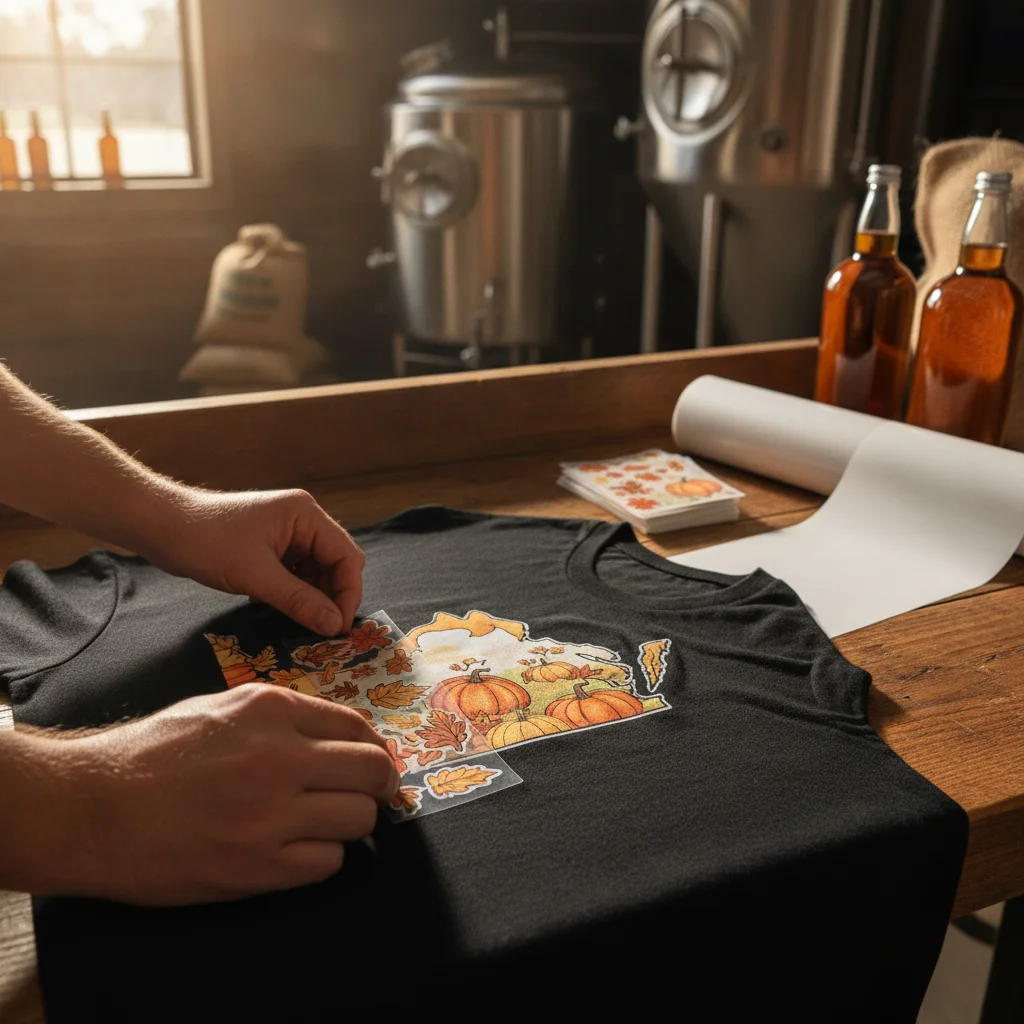
A striking label means nothing if federal regulators reject it. The TTB labeling guidelines for alcoholic beverages mandate clear, high-contrast type for your ABV, net volume, health warning, and brewery address. These elements must meet specific minimum point sizes.
Block out this compliance zone early. Build your custom artwork around that box rather than trying to fit legal copy into leftover gaps. Keeping mandatory statements against a clean, uncluttered background prevents costly packaging revisions and keeps your canning Run on schedule.
Reserving dedicated label space for mandatory government text avoids costly redesigns and compliance delays.
Why Choose No-Minimum-Order Printing for Limited Runs?
Traditional print shops often mandate runs of 500 or 1,000 units. For pilot batches or taproom-only releases, that ties up operating capital in dead stock. Ordering through Custom DTF Transfers for Apparel lets you produce short runs without minimum quantity penalties. You can print 25 shirts for your cellar crew and 60 Stickers for hand-bottled barleywine. You pay for what you actually pour.
Small batches let you experiment. If an experimental sour takes off, re-order more transfers in days without storing unsold inventory in your back room.
Zero-minimum ordering lets you test experimental drops without tying up working capital in unsold inventory.
How to Maximize UV Sticker Durability in Humid Climates
Mid-Atlantic summers are notoriously muggy. Condensation and heat will loosen standard adhesives in hours. UV-cured Labels use water-resistant adhesives that withstand fluctuating brewery conditions, but proper application matters.
Clean your cans. Wipe the aluminum with isopropyl alcohol before labeling to strip away canning-line oils and moisture. Apply Stickers at room temperature whenever possible before moving cans into cold storage. Keep unapplied rolls in a climate-controlled room away from direct heat to protect the adhesive shelf life.
Cleaning cans with alcohol before application prevents Virginia's summer humidity from ruining label adhesion.
How to Order a Sample Pack to Test Quality
Computer monitors flatter digital art. What looks deep navy on a monitor can print dull on cotton. Order a test pack from UV DTF Transfer services to inspect real-world color balance, adhesive grip, and tactile feel.
Put your samples through real-world abuse. Submerge labeled cans in ice water for 48 hours. Run shirts through three wash cycles. If an edge lifts or a color shifts, dial it in before you commit to the release.
Investing in a sample pack is the cheapest insurance policy for a high-stakes Seasonal launch.
Frequently Asked Questions
How long do UV Stickers last on beer cans?
UV Stickers typically last several months to years, depending on exposure to sunlight and moisture. They are designed to resist cracking and peeling in coolers and outdoor environments.
Can DTF prints withstand industrial laundering?
Yes, DTF prints are durable, but for best results, use cold water and air dry. Industrial high-heat drying can shorten the lifespan of the adhesive layer.
What is the minimum order for custom brewery merch?
DTF Nova Print offers no minimum order requirement, allowing Breweries to order small batches for Limited-Run Seasonal campaigns without excess inventory.
Do UV Stickers meet TTB labeling requirements?
Yes, if the design includes the required regulatory text (alcohol content, volume, warnings) in the appropriate font size and placement.